
In earlier times, Marienplatz was lined on both sides by arcades with shops tucked away between the house entrances. Artificial light was needed all day long – and the age-old inn “Zum Ewigen Licht” (“The Eternal Light”) that stood there took its name from it.
It is hard to believe that the Munich Weißwurst was invented out of an emergency. What happened?
A carnival morning without casings
On 22 February 1857, the town councillors and dignitaries were holding their usual morning pint at the “Zum Ewigen Licht”. Their appetite was great, and the butcher-innkeeper Josef Moser soon ran out of the popular Munich town sausages. Getting fresh supplies on that carnival morning was difficult, because the right casings for the sausages were missing.
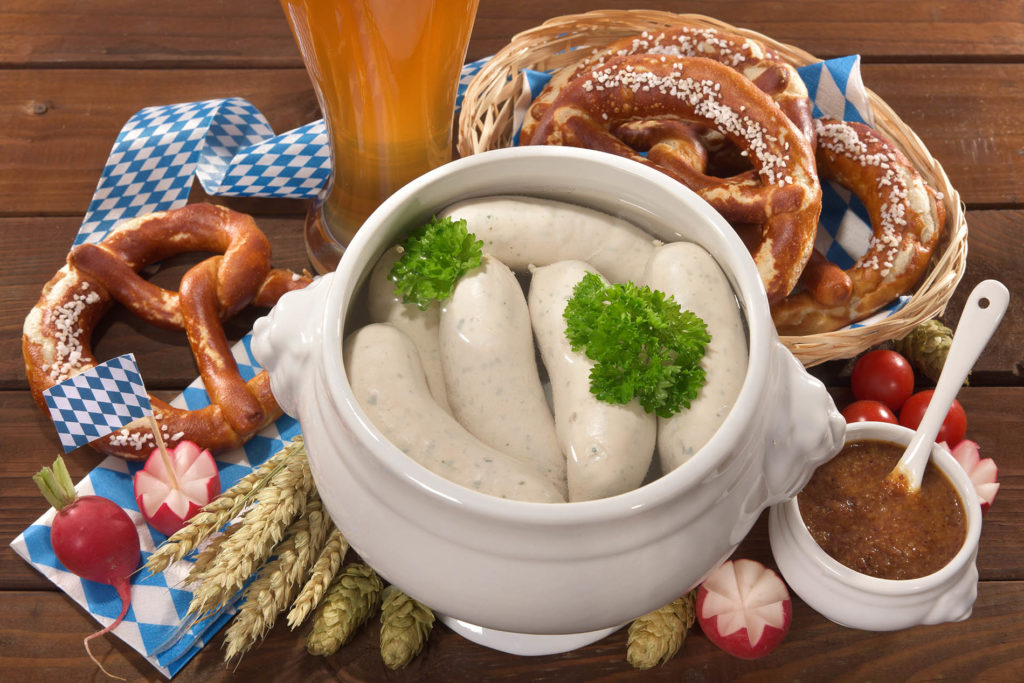
But as a true Munich native, Josef had a clever idea: he simply filled the prepared sausage meat into the bratwurst casings he still had – and scalded them in hot water. Soon the plump sausages arrived at the table in large bowls of hot water. The councillors tasted them and sighed blissfully: “Ah, Weißwürscht!” – and that is what these sausages, born out of necessity, are still called today.
A triumph that began at the “Ewiges Licht”
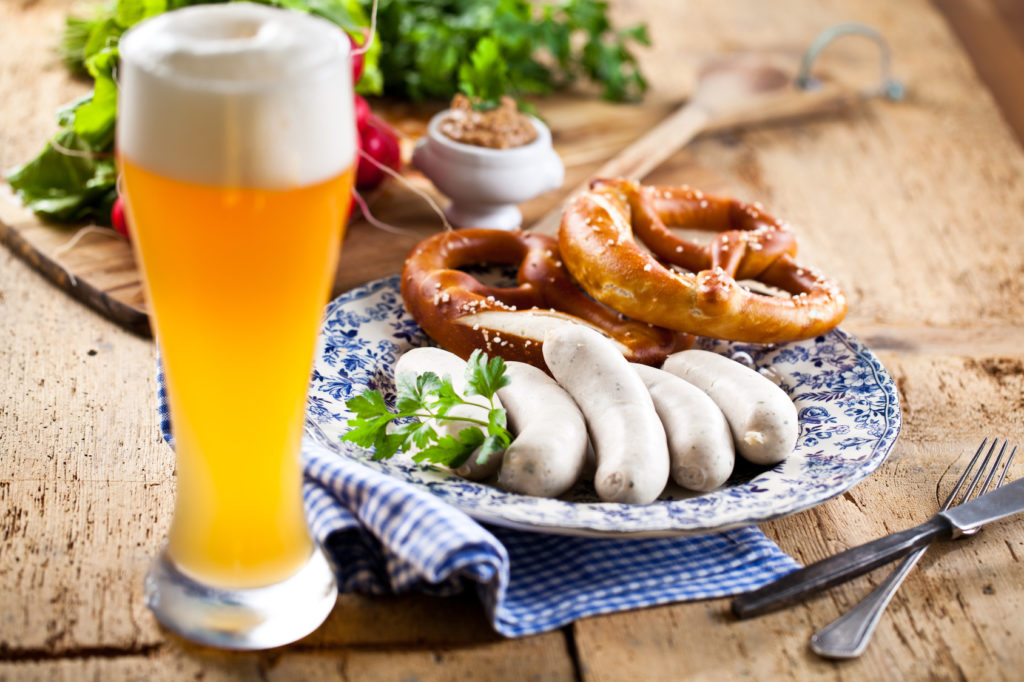
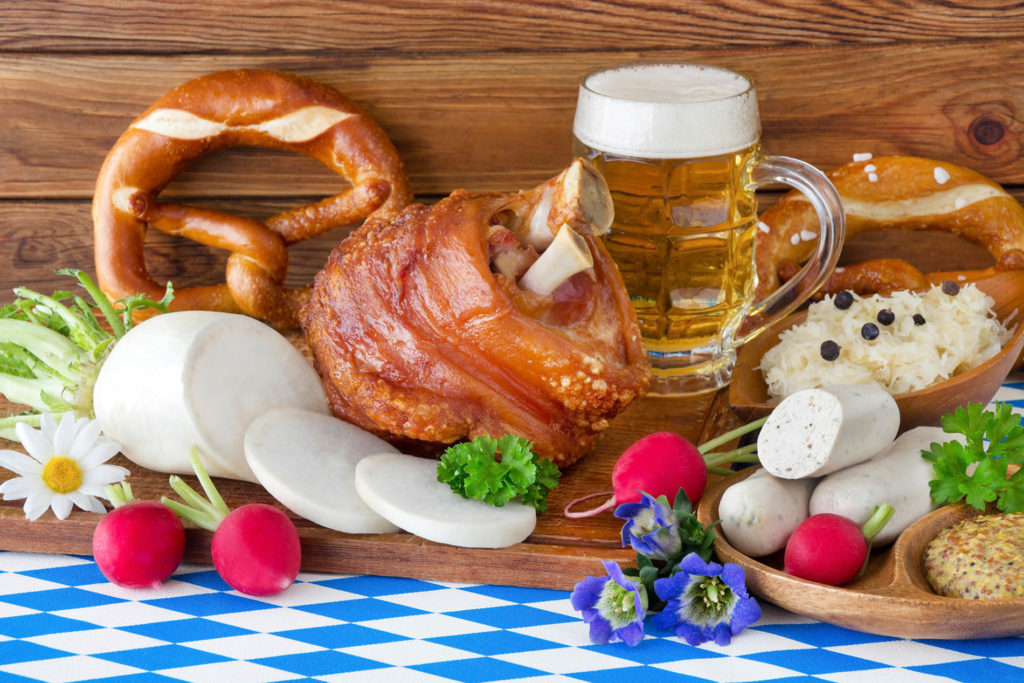
The success of this creation was not long in coming. The councillors ate more sausages than ever before at the “Ewiges Licht”. In the years that followed, Josef Moser refined the recipe with mace, lemon zest and plenty of fresh parsley. The Munich Weißwurst gained its unmistakable flavour and set out from this very inn on its triumphal march. More than 150 years later, it is THE Munich speciality – best enjoyed with a wheat beer, a pretzel and sweet mustard.
“In the end, the Weißwurst recipe is a product of chance – like so much in Munich.”
Walter Sedlmayr
The birthplace of the Weißwurst is still held in high esteem today – at today’s Wildmosers Restaurant-Café on Marienplatz, which has been serving the Munich speciality again since summer 2017.